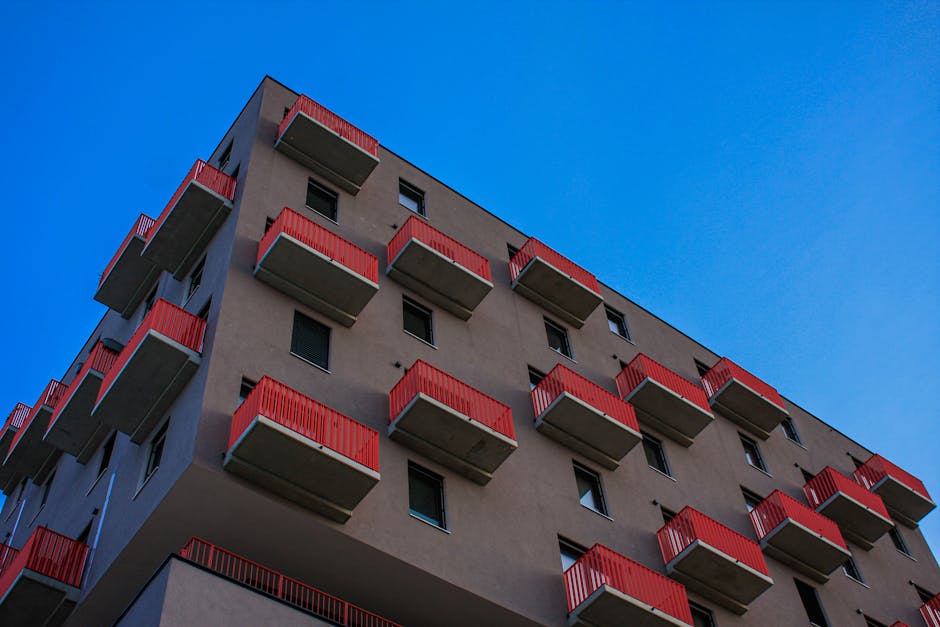
As the hospitality industry continues evolving, modular construction is reshaping how hotels approach guest room design and construction schedules. One emerging question among developers and operators is whether the Cabana 400 modular hotel rooms come equipped with ADA bath modular options and how these accessible features integrate within the modules' design. This inquiry naturally expands into broader considerations about accessible room layout, permitting workflows, and the distinctions between manufactured and modular building codes.
Modular Construction & Hotel Guest Room Modules: A Primer
Before addressing ADA-specific features in Cabana 400 units, it’s important to clarify the terminology around modular building and how it contrasts with manufactured housing—often misunderstood but critical in government permitting and code compliance.
Manufactured vs. Modular: Definitions and Codes
Manufactured homes are built almost entirely in a factory and transported as complete units. They are governed by the HUD Code, a federal standard focusing on residential units.
Modular buildings, by contrast, include prefabricated sections that are transported and assembled on-site. The modular approach complies with local building codes (like the International Building Code), which vary by jurisdiction but generally are stricter for commercial and multifamily applications. https://smoothdecorator.com/do-modular-sleep-units-ship-as-duplexes-or-fourplexes-exploring-modern-workforce-housing-solutions/ This difference significantly impacts the permitting workflow and inspections for projects, especially large-scale hotel applications.
Cabana 400 Modular Hotel Rooms and ADA Bath Options
The Cabana 400 model is gaining traction for multi-use hospitality projects, with its streamlined hotel guest room modules promising speed and quality. But when it comes to accessibility, the question arises whether these modules include fully compliant ADA bath modular options.
Industry conversations with companies like Irontown Modular, The Other Side Village, and My Cozy Outdoors reveal that many modern modular hotel room manufacturers and assemblers have begun integrating accessible features in their designs, including ADA-compliant bathrooms, in at least some product lines.
What Does an Accessible Room Layout Include?
An accessible room layout preintegrated in a modular hotel guest room module usually features:
- A turning radius of at least 60 inches for wheelchairs Grab bars around the toilet and inside the shower or bathtub Roll-in shower or accessible bathtub with seats Lowered sinks and vanities with accessible knee space Lever-style faucet and door handles Clear floor space to navigate comfortably
For the Cabana 400 specifically, modular manufacturers often provide customizable plans. By working closely with modular construction firms and developers, ADA-compliant bathroom layouts can be incorporated during the factory-design phase before modules arrive on-site. This approach not only ensures consistent quality but also simplifies inspections and reduces costly on-site rework.
Workforce Housing Constraints and the Role of Modular Hotels
Workforce housing shortages have become a significant recruiting constraint for hospitality employers, especially in high-tourism https://dlf-ne.org/do-modular-buildings-still-need-a-permanent-foundation/ and high-cost urban areas in the US West.

Companies like Irontown Modular have pioneered solutions combining modular hotel room modules with adjacent workforce housing that can be delivered and constructed concurrently. Using the same modular factories and permitting expertise, these innovative projects help decompress labor shortages by delivering thousands of units on a compressed schedule.
Permitting Workflow and Inspections for Modular Hotel Projects
Permitting workflows for modular construction can differ markedly from stick-built buildings. Key factors include:
Pre-approval of factory drawings: Many jurisdictions require stamped modular designs, including ADA features, prior to module production. Sequential onsite inspections: Modules are inspected both at the factory for structural, plumbing, and electrical compliance, and again at the site after assembly. Coordination across agencies: Building departments, fire marshals, and accessibility reviewers coordinate inspections often on accelerated schedules.Stakeholders like The Other Side Village have worked closely with municipal bodies to establish streamlined permitting pathways that recognize the parallel workflows typical of modular projects—where factory manufacturing and site preparation happen simultaneously.
Schedule Compression Through Parallel Factory and Site Work
One of modular construction's greatest benefits is accelerated timelines. Delivery and installation of hotel guest room modules like the Cabana 400 typically overlap with site grading, foundations, infrastructure, and interior finishes, compressing traditional, linear schedules by months.
My Cozy Outdoors, a firm specializing in modular accessory structures, often highlights how enabling simultaneous factory and site work allows hotel operators to respond quickly to market demands and reduce capital costs through faster operational start dates.
Summary Table: Modular Hotel Projects with ADA Bath Options
Company Offering ADA Bath Features Permitting Approach Schedule Impact Irontown Modular Modular hotel rooms + workforce housing Integrated ADA bathrooms in select models Early coordination with code officials for expedited approvals 6-8 months compression vs traditional The Other Side Village Modular hotel village with accessibility focus Custom accessible layouts with roll-in showers Parallel onsite and factory inspections Overlap of site/sitework with modular assembly My Cozy Outdoors Modular accessory guest units & bathrooms ADA compliant accessories for guest room modules Fast-track permitting by leveraging modular codes Schedule compression up to 40%Conclusion: Are ADA Bath Modular Options Standard in Cabana 400?
While the baseline Cabana 400 hotel guest room modules may not universally come with ADA bath options, builders and operators working with leading modular firms can easily incorporate accessible room layout options tailored to compliance, guest comfort, and operational needs. Given the strong emphasis on accessibility by regulatory bodies and the hospitality market, manufacturers like those backed by Irontown Modular, The Other Side Village, and My Cozy Outdoors are increasingly delivering well-engineered ADA bath modular solutions as part of their standard or customizable packages.
For developers navigating the complex permitting landscape, understanding the distinction between manufactured and modular codes, working proactively to align with inspection workflows, and leveraging the efficiency of parallel factory and site work will be critical for successful, timely delivery of accessible modular hotel rooms.
Ultimately, modular hotel construction paired with thoughtful ADA design offers a compelling answer to workforce housing constraints and guest accessibility requirements alike — enabling more inclusive, market-responsive hospitality projects across the US West and beyond.