I still remember the first time I saw a $2,400 invoice for staging a standard 3-bedroom suburban home. My realtor friend was sweating, the seller was annoyed, and the furniture looked like it had listing photo enhancement been pulled from a catalog that went out of business in 2005. That invoice wasn’t just for "style"; it was for logistics, labor, and a lot of dead air. After spending 200+ hours testing nearly a dozen virtual staging platforms, I’ve learned that the gulf between physical furniture rental and digital pixels isn't just about price—it’s about the entire workflow of getting a house sold.
If you’re a realtor trying to decide where to allocate your marketing budget, it’s time we broke down the math behind the traditional staging Click here! cost versus the agility of the digital world.
The Anatomy of a $2,000–5,000 Staging Bill
When you sign a contract for traditional, physical furniture rental staging, you aren't just paying for the aesthetics. You are paying for a massive infrastructure. Physical staging is, at its core, a logistics business that happens to deal in couches.
The Breakdown of Physical Staging Costs
The Warehouse Tax: Every piece of furniture lives in a climate-controlled warehouse when it isn't in a house. That rent, the insurance, and the staff to maintain those items cost money. The Moving Crew: You are paying for a team of movers. These are skilled laborers who have to load a truck, drive it to your listing, carry heavy pieces up narrow stairs (without scratching the walls), and assemble everything. Design Labor: A professional stager’s time is valuable. They aren't just dropping off chairs; they are curating a look that appeals to a specific demographic. Holding Costs: Most staging companies charge by the month. If the house doesn’t sell in 30 days, that $2,500 bill might double or triple.When you look at the traditional staging cost, you’re looking at a sunk cost that provides zero value to the digital listing experience—which is where 98% of buyers actually start their search.
The Virtual Alternative: A New Workflow
Virtual staging has shifted the model from "logistics-heavy" to "asset-focused." Instead of paying for a moving crew, you are paying for the time of a 3D artist or an AI-integrated platform. The barrier to entry here is significantly lower, and the turnaround times—my favorite topic—are remarkably faster.
The Pricing Reality Check
While traditional staging can run thousands of dollars per month, virtual staging is a flat-fee service. For example, platforms like BoxBrownie typically charge between $32–48 per staged image. Even if you stage 10 rooms to show the full potential of a property, you’re looking at a total cost that is a fraction of a single month of physical furniture rental.
Service Type Typical Cost Range Turnaround Time Traditional Furniture Rental $2,000 – $5,000+ (per month) 3–7 Days (Scheduling dependent) Virtual Staging (e.g., BoxBrownie) $32 – $48 per photo 24 – 48 HoursThe "Reshoot" Rule: Don't Stage Garbage
Before you even think about dropping $32 on a virtual render, I have to ask: Did you reshoot the photo first?
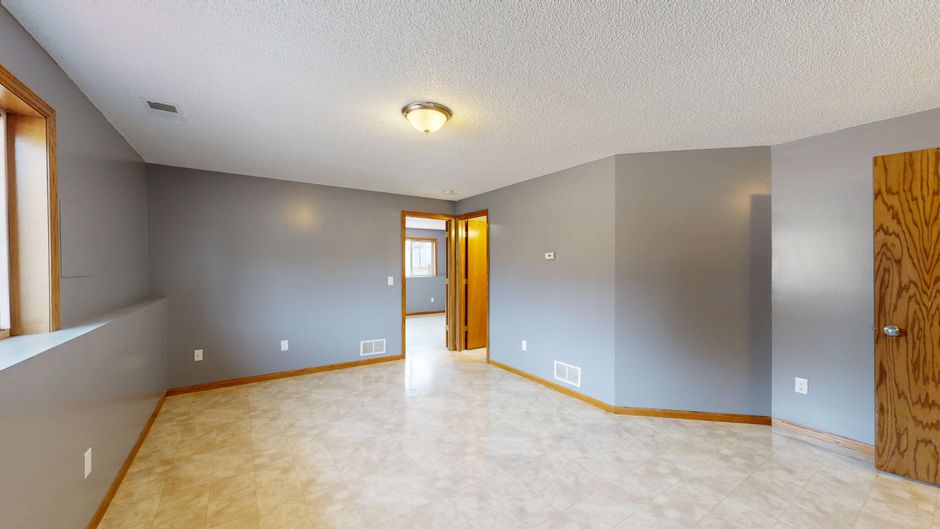
This is my biggest pet peeve in the industry. Too many realtors take a dark, blurry, wide-angle shot from their smartphone and expect virtual stagers to perform miracles. Virtual staging is not an eraser for bad photography. It cannot fix poor lighting, it cannot fix a photo taken from the wrong angle, and it certainly cannot fix a room that is cluttered with the previous owner’s junk.
Virtual staging is an enhancement, not a cover-up. If the base photo is bad, the staged photo will look like a "fake" overlay. You want the furniture to look like it belongs in the room, not like a sticker slapped onto a low-resolution Jpeg.

My "Rooms That Break AI" List
Having logged over 200 hours in various staging dashboards, I’ve found that even the most advanced AI struggles with specific architectural quirks. Avoid these if you want a clean look:
- Dark Rooms: If there is no natural light, the AI will try to "invent" light sources that look like ghost shadows. Narrow Kitchens: AI platforms have a terrible habit of placing islands where there isn't enough clearance for a human to walk. Awkward Angles: Extreme wide-angle shots distort the scale of the furniture, making a sofa look like it’s 15 feet long.
The Critical Importance of Realism: Scale and Shadows
One of the reasons I dislike "cheap" or poorly executed virtual staging is the lack of attention to lighting physics. If the windows in the photo are on the left, but the shadows under the dining table point to the left, the brain immediately identifies the image as "fake."
Good staging should respect the geometry of the room. The furniture scale must be accurate. If a queen-sized bed looks like it occupies 90% of the room, you’ve failed. The goal is to show the potential of the space, not to deceive the buyer about the actual dimensions.
MLS Disclosure Rules: Stay Compliant
I see realtors ignore this all the time, and it drives me crazy. Virtual staging requires disclosure. If you are using digital images to sell a house, you must be transparent. Most MLS boards have strict guidelines regarding this:
Watermarks: Many platforms automatically add a "Virtually Staged" watermark. Keep it there. Captions: Every staged image should be explicitly labeled as "Virtually Staged" in the listing description or the photo caption. Accuracy: Never remove structural elements (walls, doors, fireplaces) that are permanent parts of the home. You are staging furniture, not renovating the house.Final Thoughts: Turnaround Times vs. Expectations
In the real estate world, speed is everything. A 24-hour turnaround time is the gold standard, and a 48-hour turnaround time is the maximum you should ever accept. If you’re waiting a week for virtual staging, you’re losing momentum on your listing.
Don't be the realtor who spends $3,000 on physical furniture that ends up gathering dust while you wait for the closing date. Be the agent who takes a sharp, high-resolution photo, sends it to a professional stager, and gets it back in 48 hours for the price of a nice dinner. Just please—for the love of all things holy—reshoot the room first.